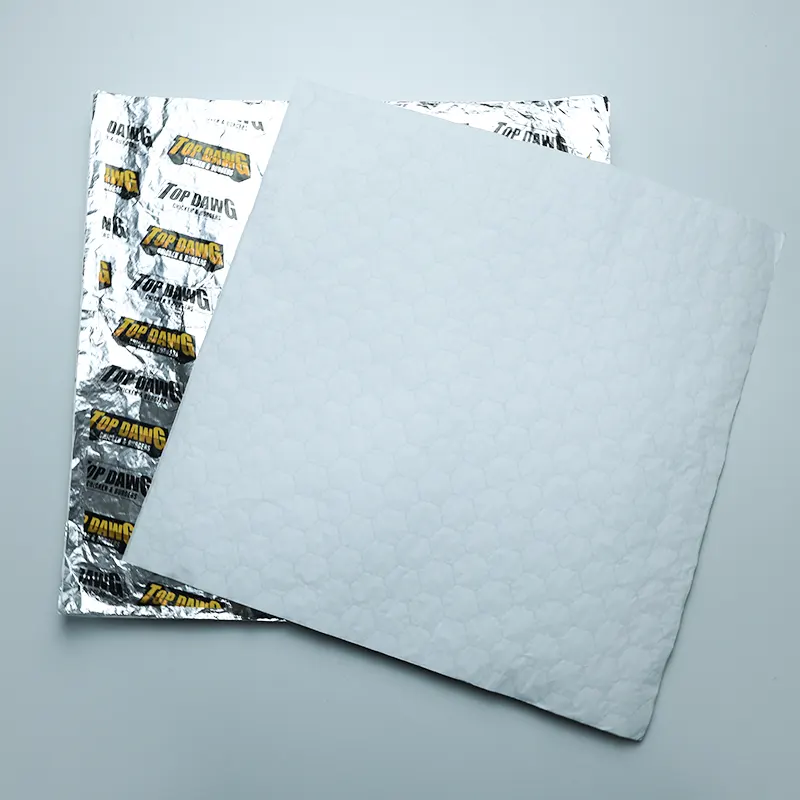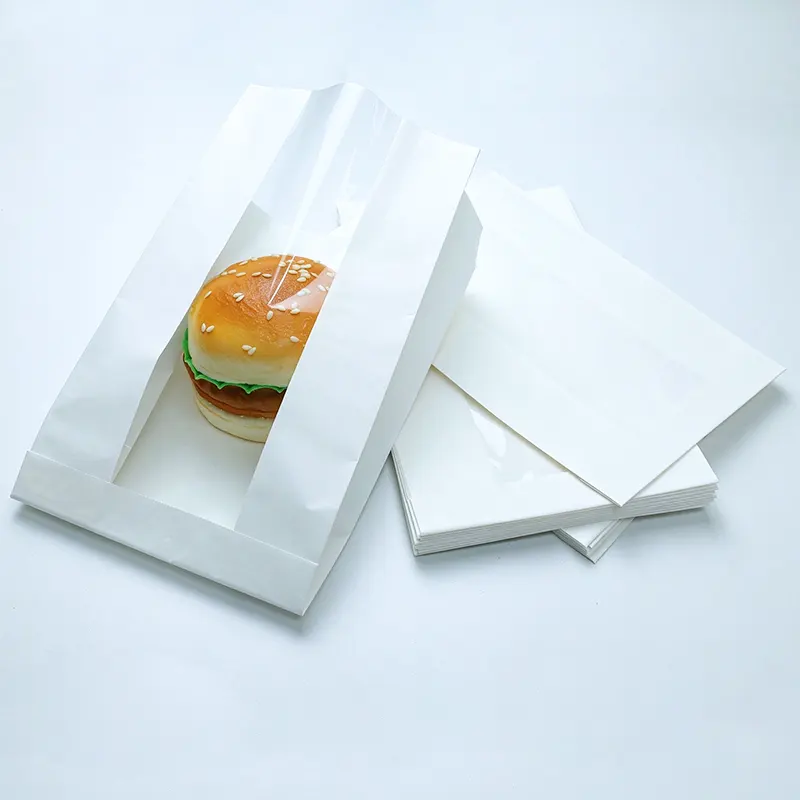
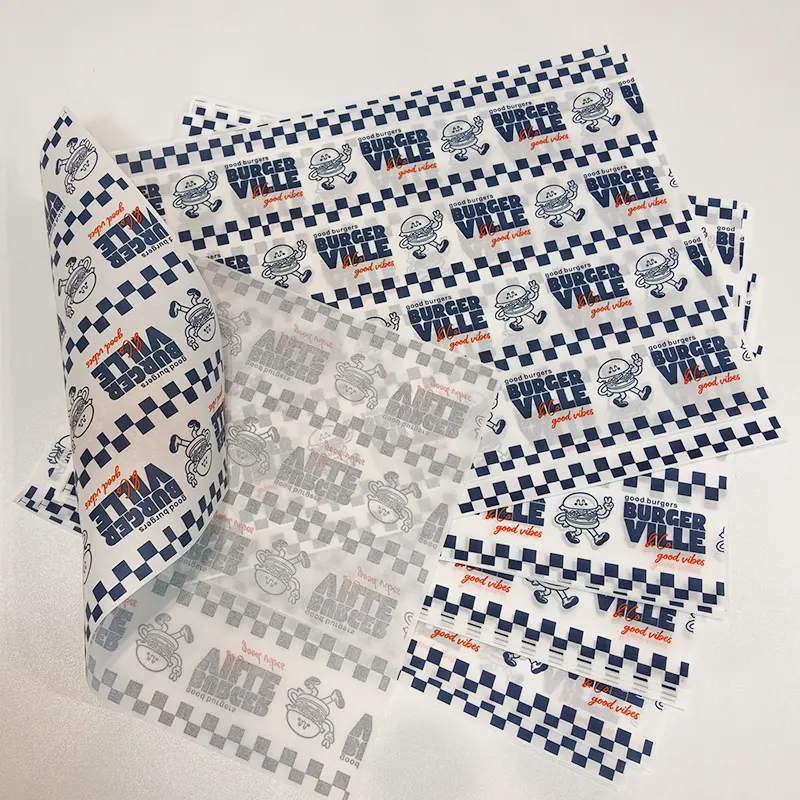
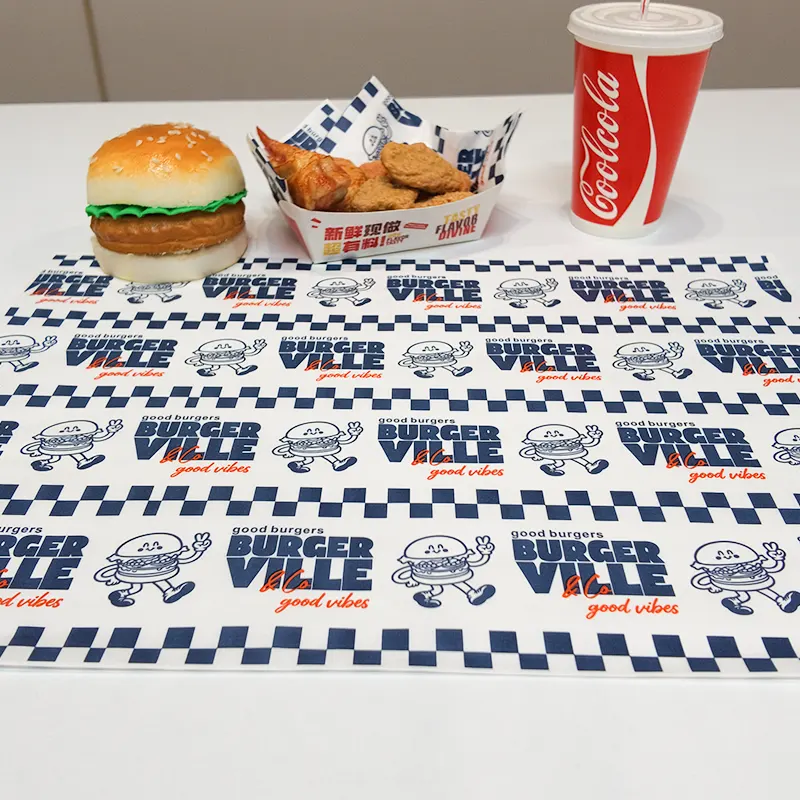
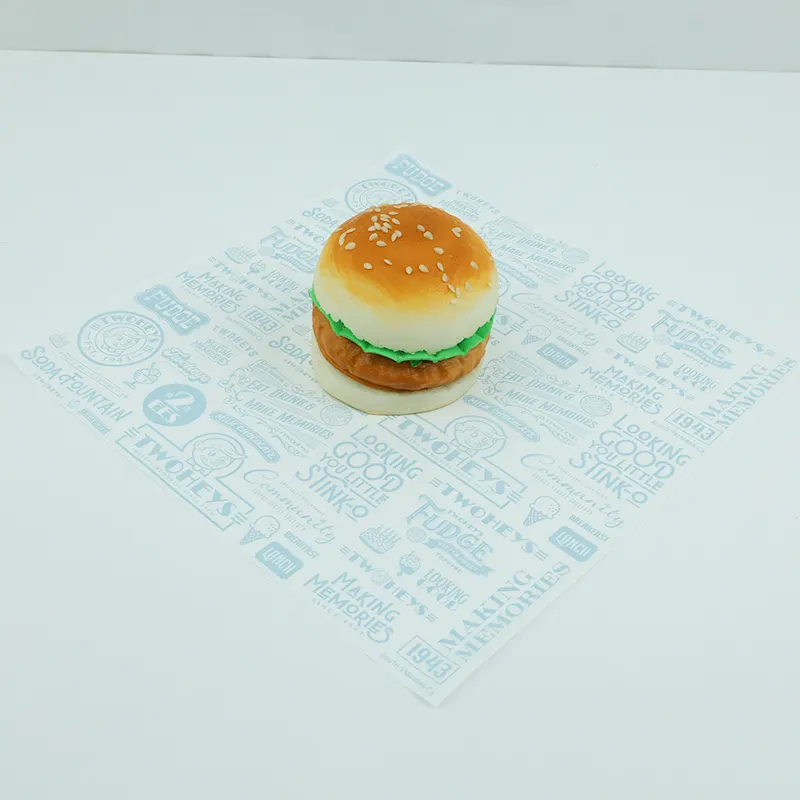
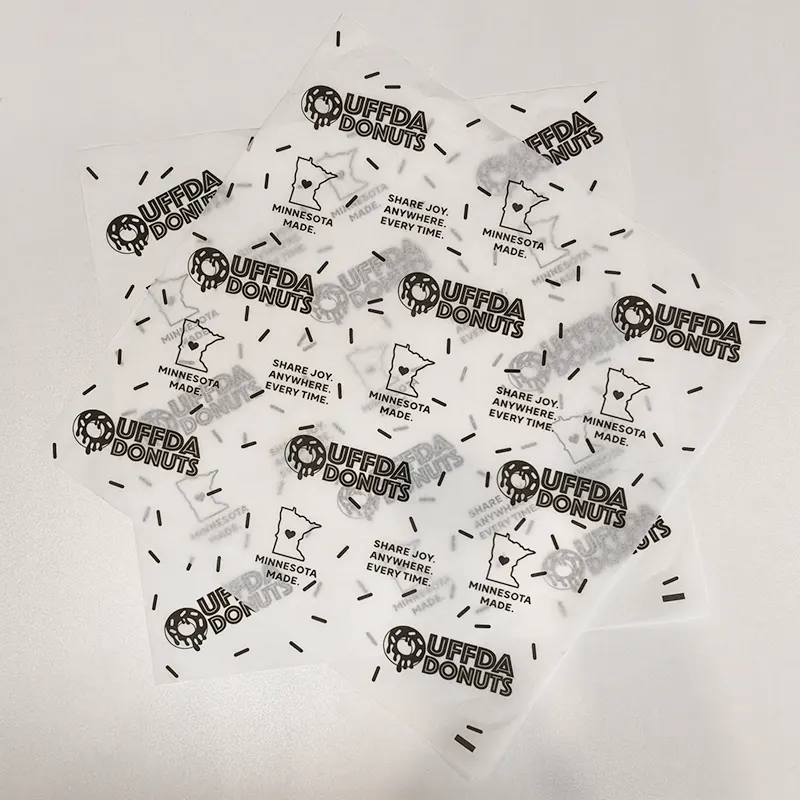
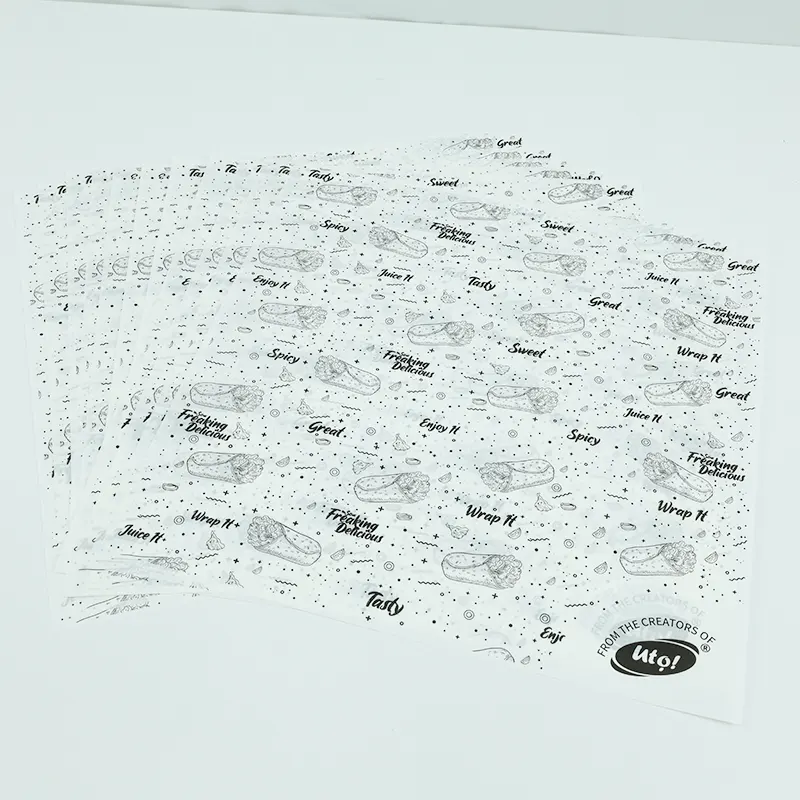
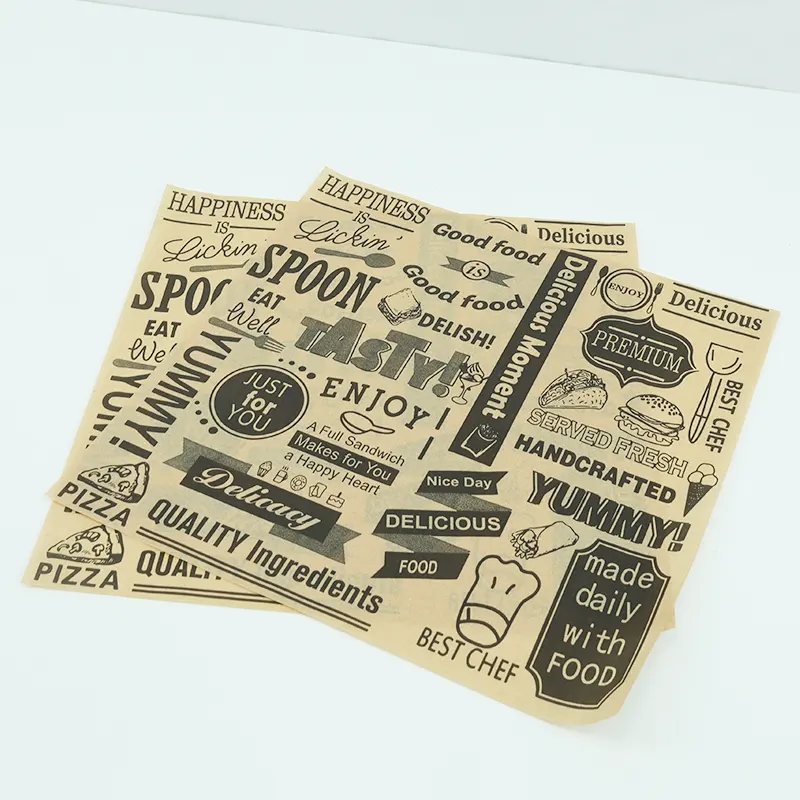
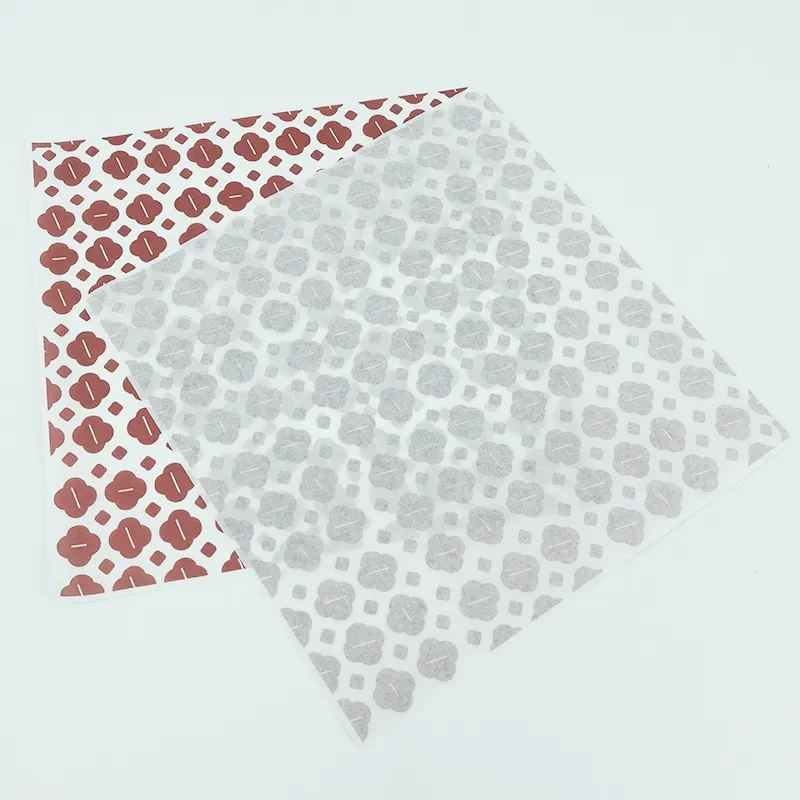
We supply grease-proof wrapping papers for food wrapping and lining where grease resistance matters. We help you choose the grade, paper weight and dimensions around what you pack and how long it stays wrapped. Sheets, rolls and compatible printed designs can be reviewed to suit your packing process.
Grease marks can affect how your packaging looks and feels. We supply grease-proof food wrapping papers with grades chosen around the food you pack, the contact time and your handling routine. We focus on the resistance you actually need, rather than assuming every grease-resistant paper performs in the same way.
You can consider sheets for ready-sized wrapping or lining, and rolls for dispensing or converting. We can also review printed logos and patterns for compatible grades. Your material choice, dimensions and print layout work together to make the papers practical at the packing station.
We agree the final materials, dimensions and packing details for your order. Here are the main options we work from.
| Specification | Options |
|---|---|
| Paper grades | Grease-resistant grades selected by application |
| Grammage | Specified for handling and construction requirements |
| Supply formats | Sheets or rolls by selected grade |
| Dimensions | Custom sheet dimensions or roll widths |
| Resistance | Defined by grade and relevant test conditions |
| Printing | Subject to grade and process compatibility |
| Treatments | Identified in the material specification; no coating assumed |
| Order quantities and lead times | Established for the final grade, format and design |
We look at grease resistance separately from paper weight. GSM tells you the weight per square metre, but it does not tell you everything about how the papers resist grease. We also consider how easily the papers fold and how they handle the shapes of your products.
We keep different performance requirements separate too. Grease resistance does not automatically mean waterproofing, heat resistance or a particular chemical composition. If your order needs a defined resistance level or material claim, we work from the relevant grade details and supporting information. We can compare these grades with our Wax Wrapping Papers when your application calls for a treated surface. Our Custom Food Wrapping Papers range brings the wider paper choices together.
We can work on grades, paper weights, sheet dimensions, roll widths and printed designs. We consider the products being wrapped, grease exposure, temperature and contact time when reviewing the papers. Where testing is required, we agree the performance requirement and test method. Roll specifications also include the cores, outer diameters and winding details needed for your equipment.
We supply grease-proof paper for food wrapping, lining and separation, including burgers, sandwiches, deli foods and bakery products where the selected grade suits the exposure. Sheets and rolls can also be reviewed for food packaging converters and distributors.
We use the term for papers selected to resist grease. The actual resistance level depends on the grade and conditions, so we agree those details for your intended application.
Not necessarily. We review paper weight and grease resistance separately. We also consider folding and handling, so the chosen papers suit both the required performance and your packing routine.
We do not assume a coating from the product name. We identify the selected papers and any treatments in the material specification, so the construction is clear.
We can review both formats by grade. We agree sheet dimensions and packing quantities, or the roll widths, cores and winding details needed for your dispensers or equipment.
We can review printing where the grade and process are compatible. We consider colours, coverage and intended contact surfaces before agreeing your layout.
We assess moisture and heating requirements separately from grease resistance. The exact papers and any treatments need to suit the temperatures, exposure and contact time involved.
We work from the exact grade details and relevant test information. Claims about resistance, chemical composition or environmental performance need evidence for the materials actually supplied.
Share a few details and we’ll know where to start.