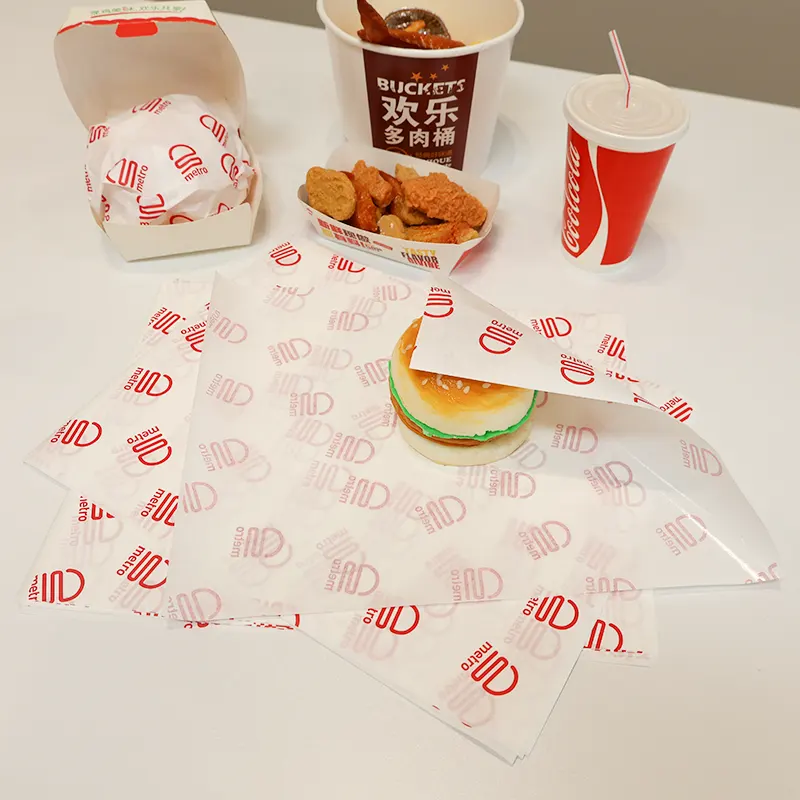
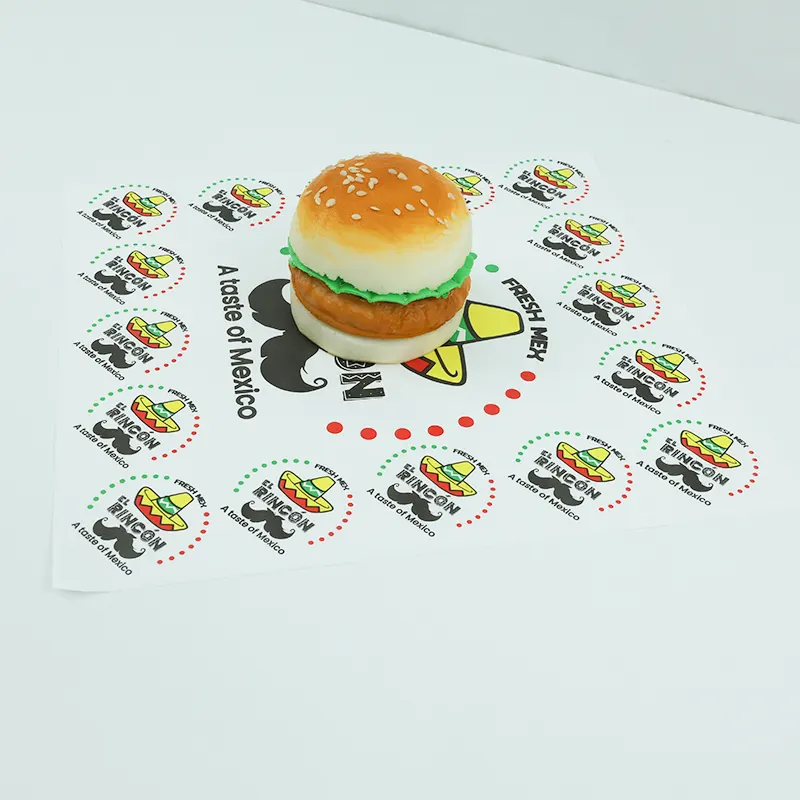
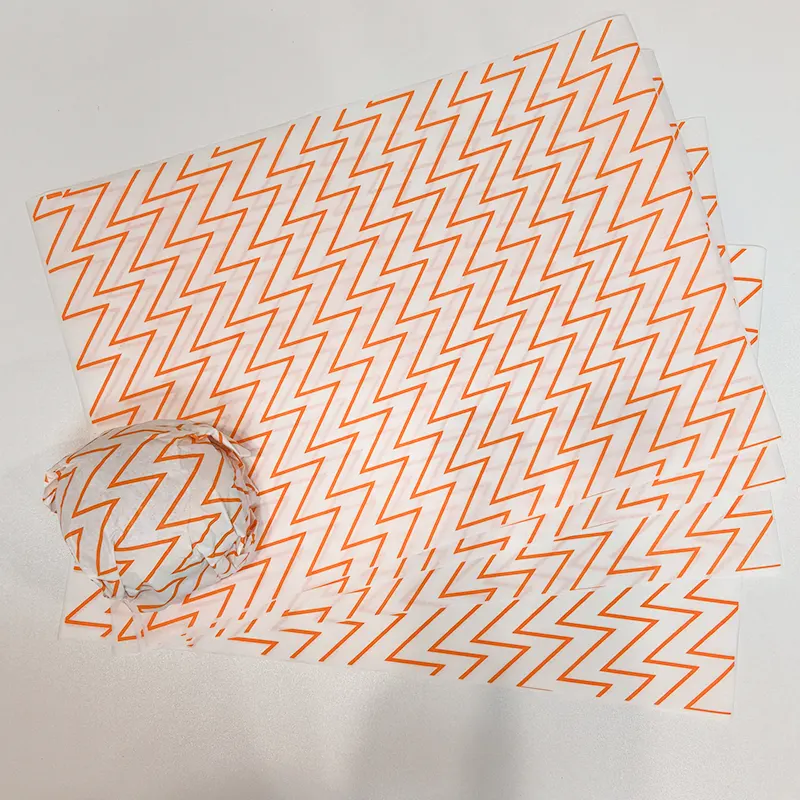
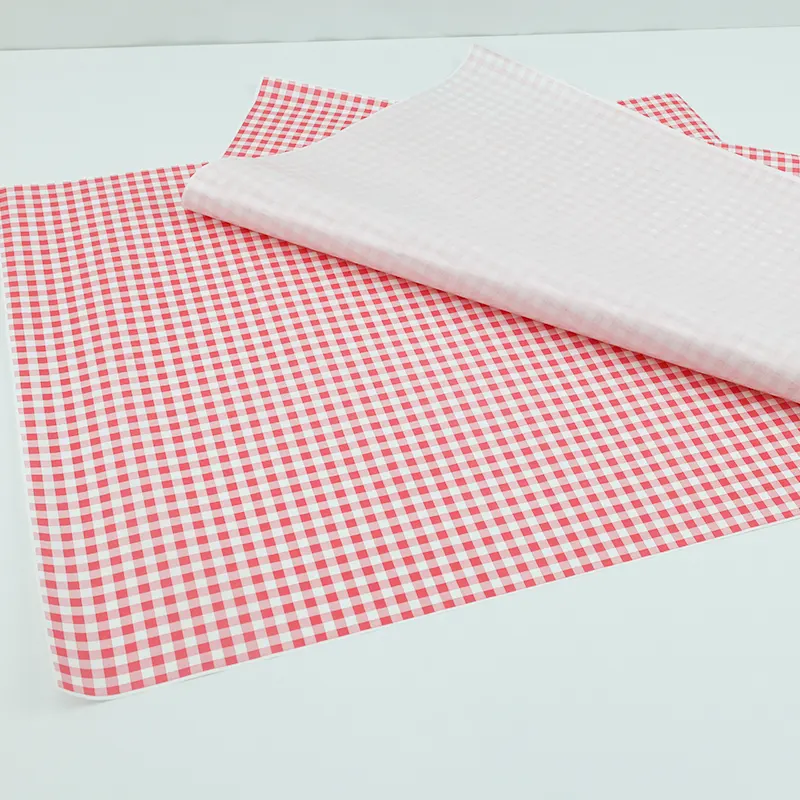
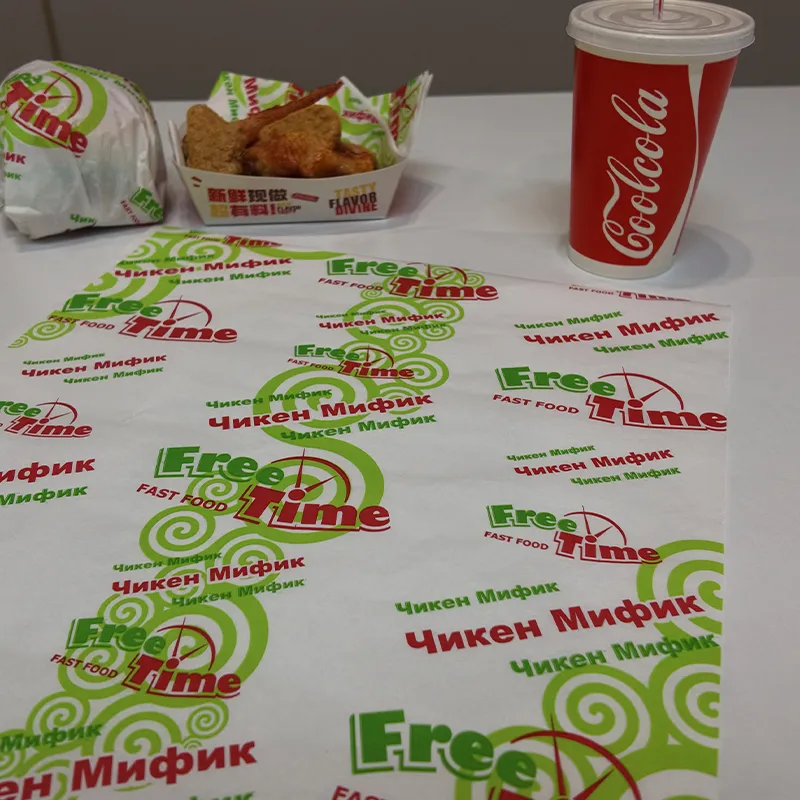
We supply parchment paper for food wrapping, lining and separation. Tell us what you pack and how you use the paper. We'll help you work through the sheet or roll requirements, dimensions and any printed design for the selected paper grade.
A food wrap needs to fit both the food and the way your team packs it. With parchment paper, start by deciding whether you need a full wrap, a liner or a sheet between portions. That choice helps you work out the paper size and how much folding or overlap to allow.
We supply parchment paper for food packaging and discuss the grade, dimensions and printing around your use. Send a sample of the food or a photograph of the finished pack, along with your current paper size if you have one. It gives us a practical reference for the order.
| Specification | Details |
|---|---|
| Material | Parchment paper |
| Supply format | Sheets or rolls; availability checked with the paper grade |
| Dimensions | Sheet width and length; roll width where applicable |
| Paper specification | Grade and paper weight confirmed for your packing process |
| Printing | Plain or printed; checked with the paper grade and process |
| Packing conditions | Food type, contact time, temperature, grease and moisture |
| Order details | Quantity, packing and delivery requirements confirmed in your quotation |
Sheets give staff a set piece of paper to work with for each portion. Measure the food in the form it will be served, including fillings, toppings and any inner container. Then allow enough paper for the folds and overlap. A sheet that looks large beside an unfilled item may feel quite different around the finished portion.
If you use rolls, include the requirements of your dispenser or converting equipment. The width, core size, outer diameter and winding direction may all be relevant to your setup. Tell us which measurements your equipment needs, so we can check the roll requirements against the selected parchment paper grade.
Tell us what the paper will touch and how long it stays in contact with the food. For burgers, sandwiches, deli foods or bakery products, describe the packing temperature and any grease or moisture. These details help us distinguish a wrapping job from a tray liner or a sheet used between portions.
The exact grade and surface treatment need to suit that use. If you require food-contact documentation, let us know the intended application and destination market when you enquire. That way, the material discussion and document requirements refer to the same paper and packing conditions from the start.
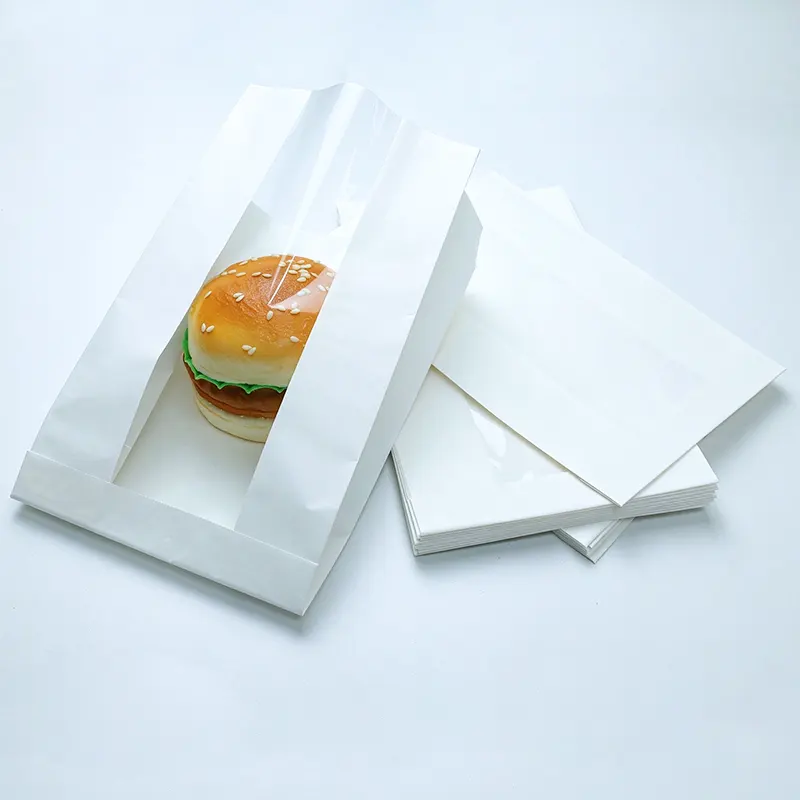
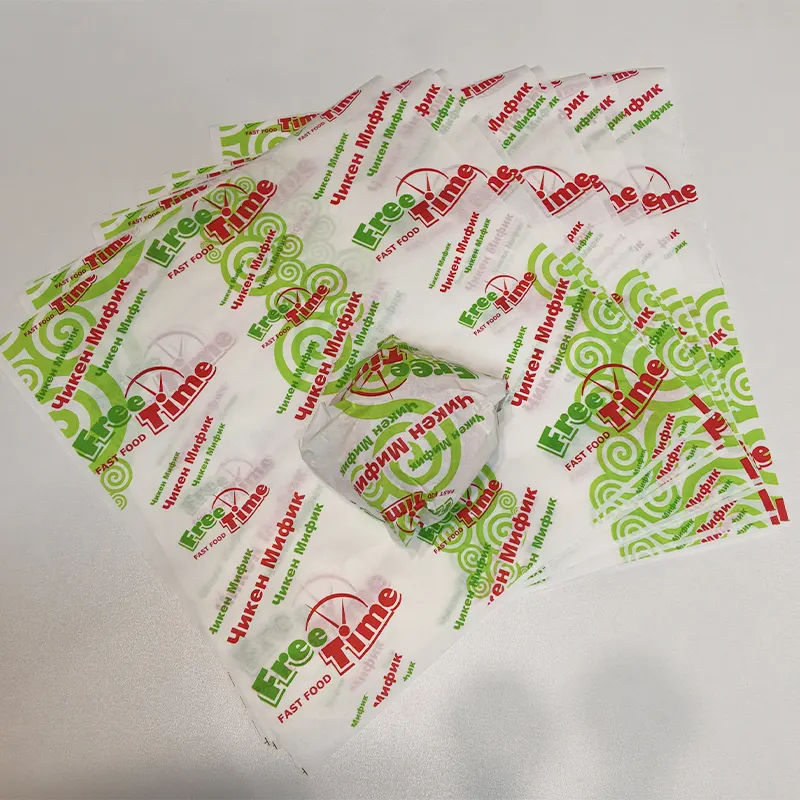
Try your preferred fold around a representative portion before settling on the dimensions. Too little overlap can make wrapping awkward; extra paper can leave more folds than you need. A photo of the finished wrap shows the coverage and fold much more clearly than the food measurements alone.
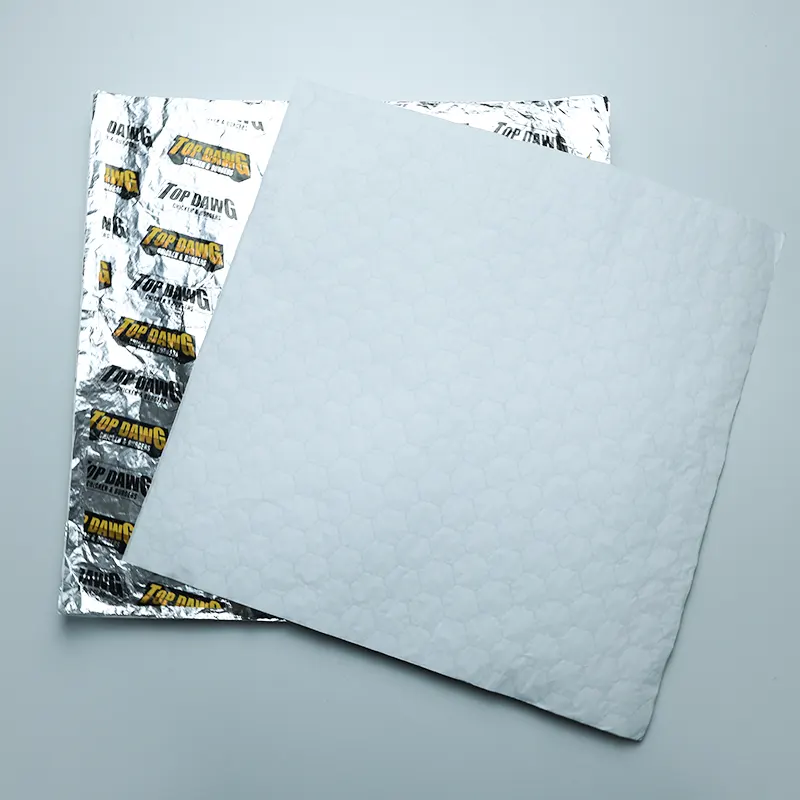
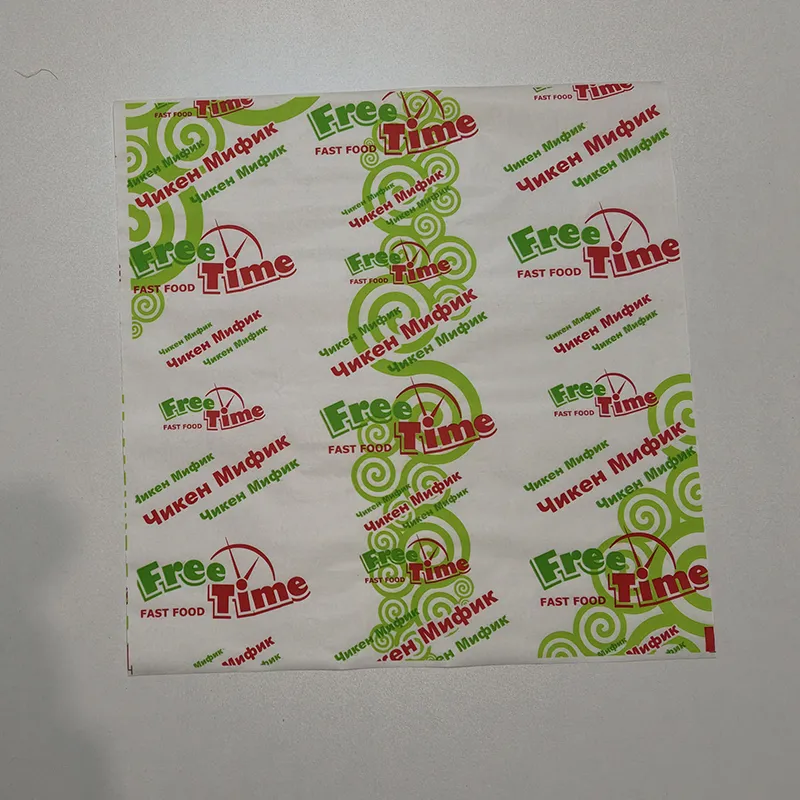
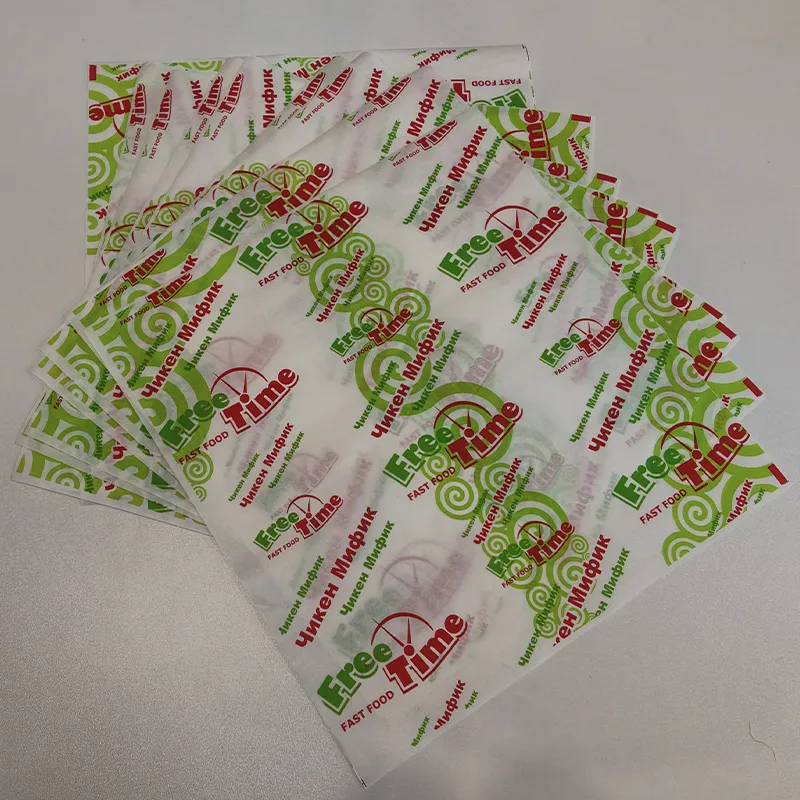
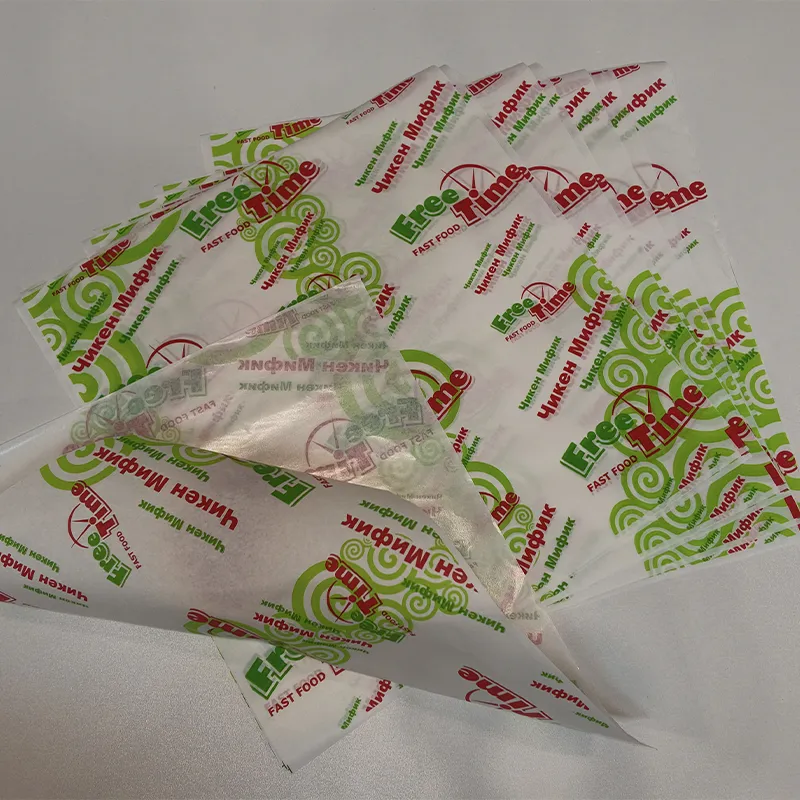
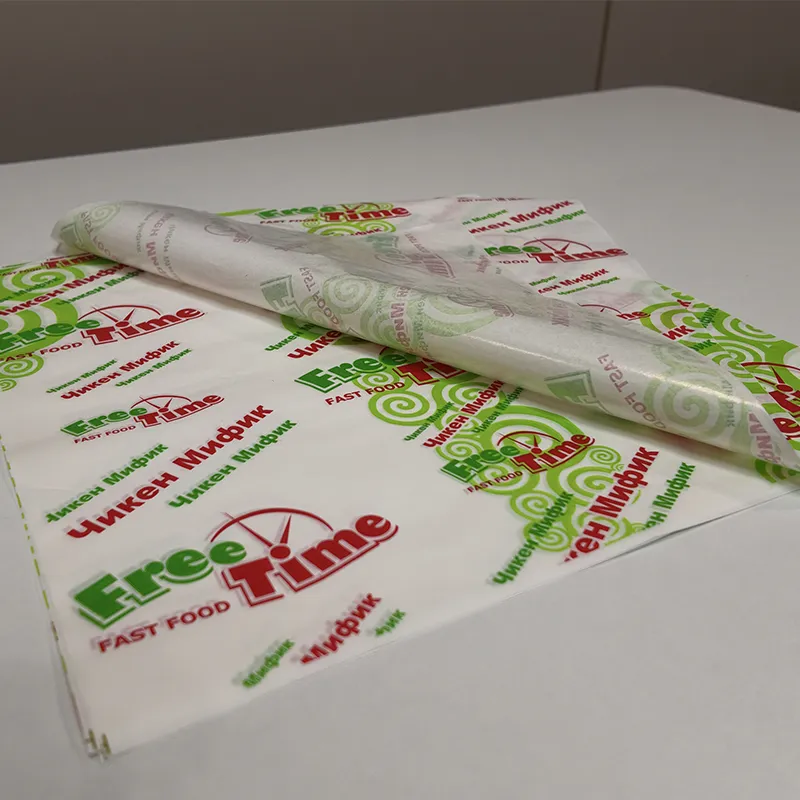
For printed parchment paper, send the logo or repeat pattern and show which side will touch the food. Think about where the logo appears once the wrap is folded, as well as how it looks on a flat sheet. We'll check the artwork with the paper grade and print process before the printing details are agreed.
Our food wrapping range includes parchment paper, grease-proof paper and wax paper. When comparing them, start with the job you need the paper to do and the available grade specifications. Keep the food, packing temperature and contact time the same in your brief so the comparison is useful.
If the paper will be heated, include that as a separate requirement. State the appliance, temperature and time involved, together with any printing. Suitability for an oven, microwave or another heating step needs to be confirmed for the exact grade and finished construction before you use it that way.
Parchment paper and wax paper are separate material options in our food wrapping range. Tell us your food and packing process, or send the specification of a paper you already use, so we can discuss the right product.
Use the fold your team normally makes and check it around a complete portion. The amount depends on the food shape and wrapping method. Send a finished-wrap photo with the proposed sheet dimensions so we can see what you need.
Include the roll width and your equipment requirements, such as the core size, maximum outer diameter and winding direction. We'll check those details with the selected paper grade and supply format.
Yes. Share the artwork, preferred repeat spacing and sheet or roll dimensions. Include a photo of the folded wrap and identify the food-contact side so the print layout can be checked in context.
Please confirm the exact paper grade before using it for baking or other heating. Send the appliance, temperature, time and printing details with your enquiry. The product name alone doesn't give a temperature rating.
Send the food type, sheet size or roll requirements, estimated quantity and any artwork. A photo or sample of the finished pack is helpful. Include your delivery destination and any heating step, so we can discuss the paper specification and quotation around your actual process.
Contact our team to discuss your order.
Share a few details and we’ll know where to start.