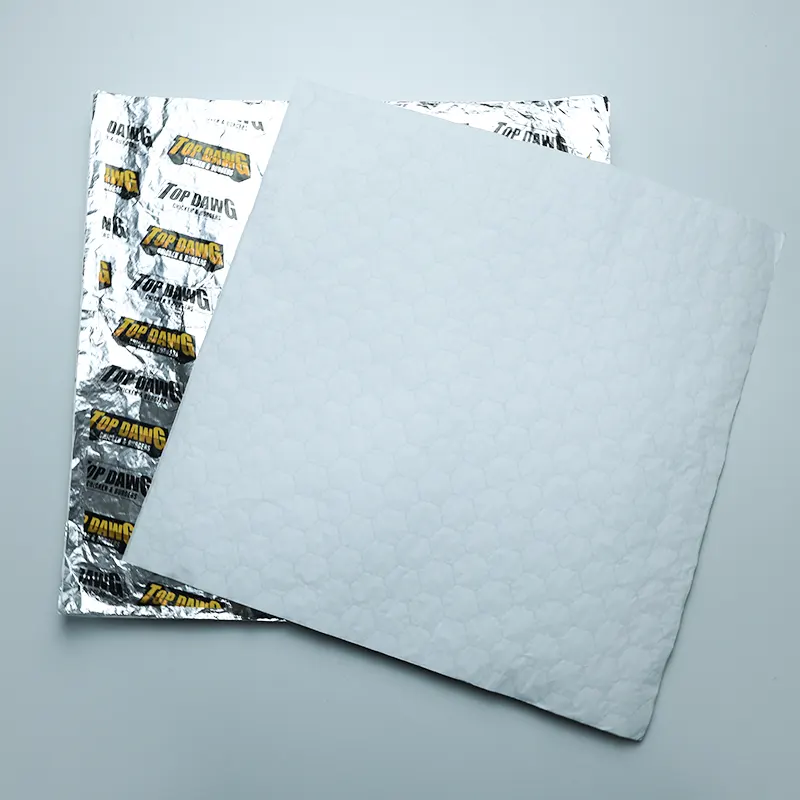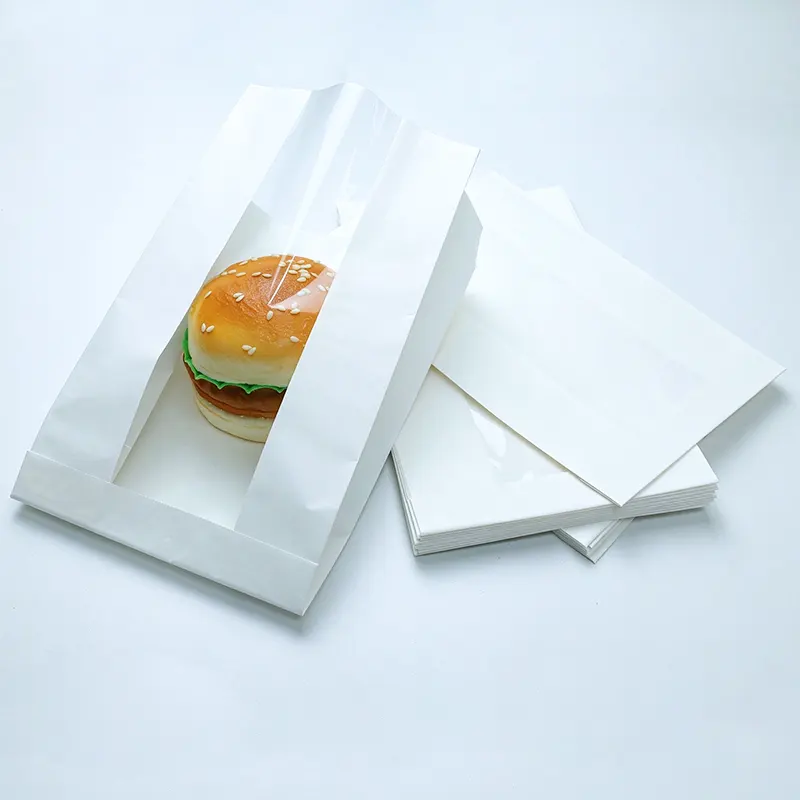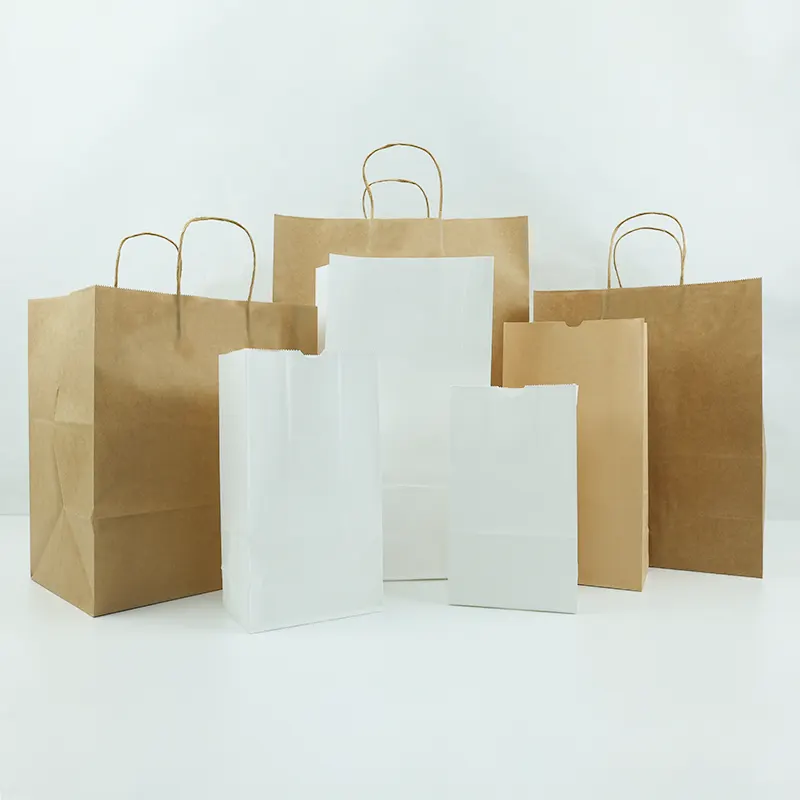
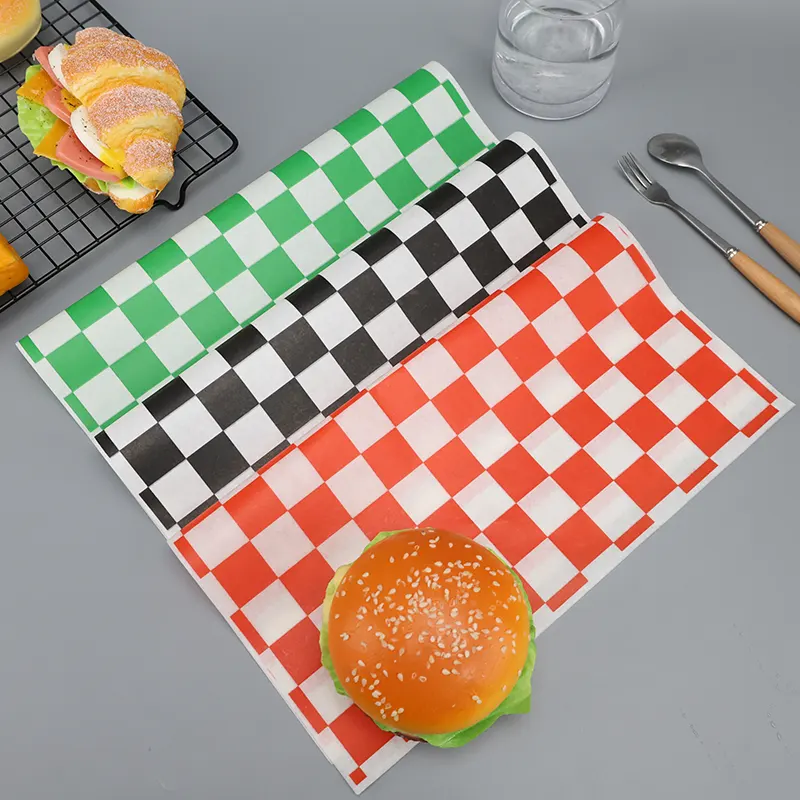
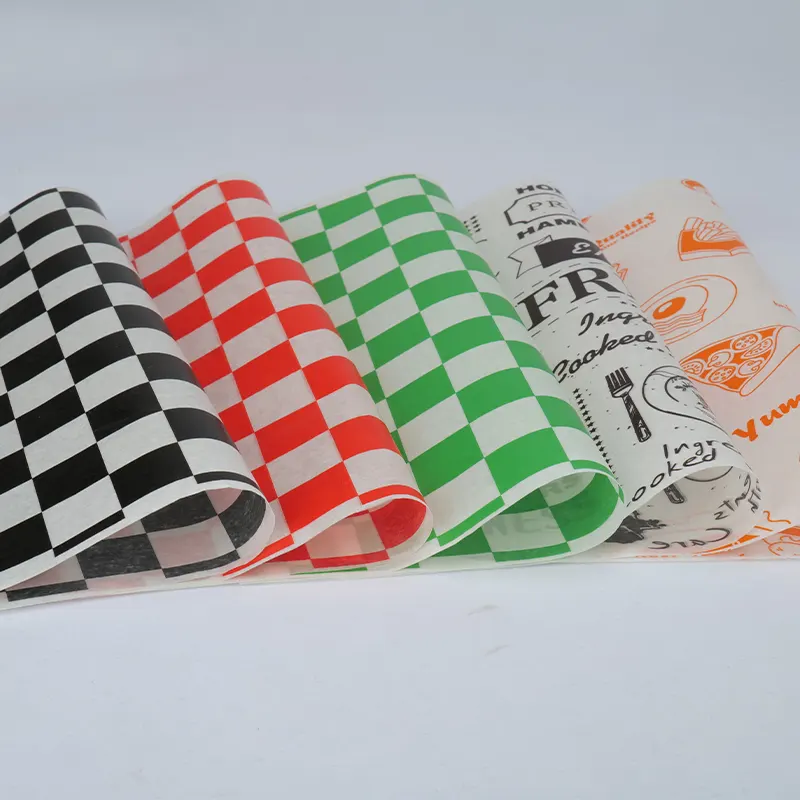
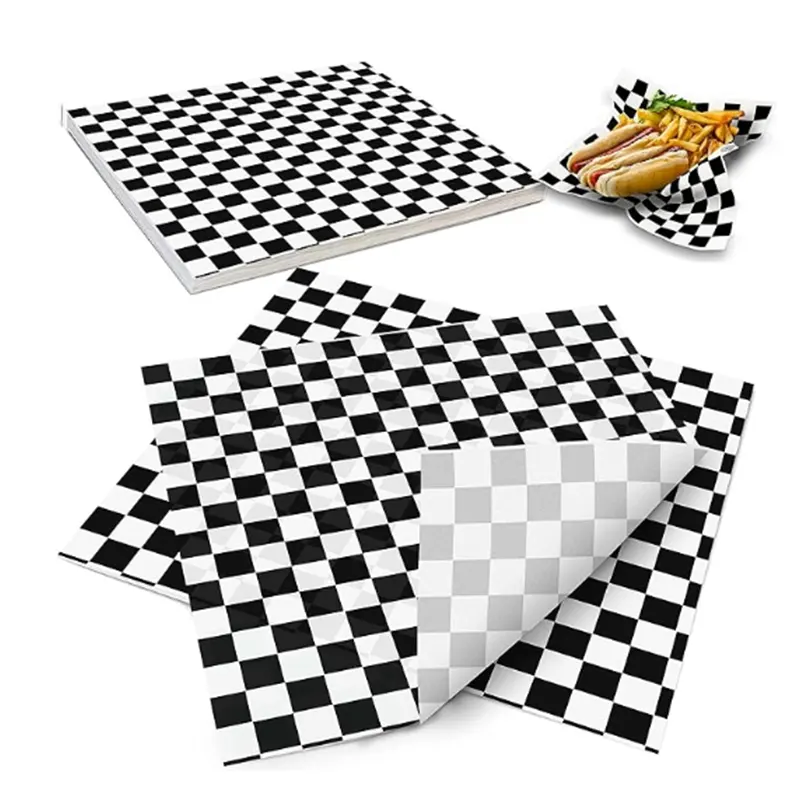
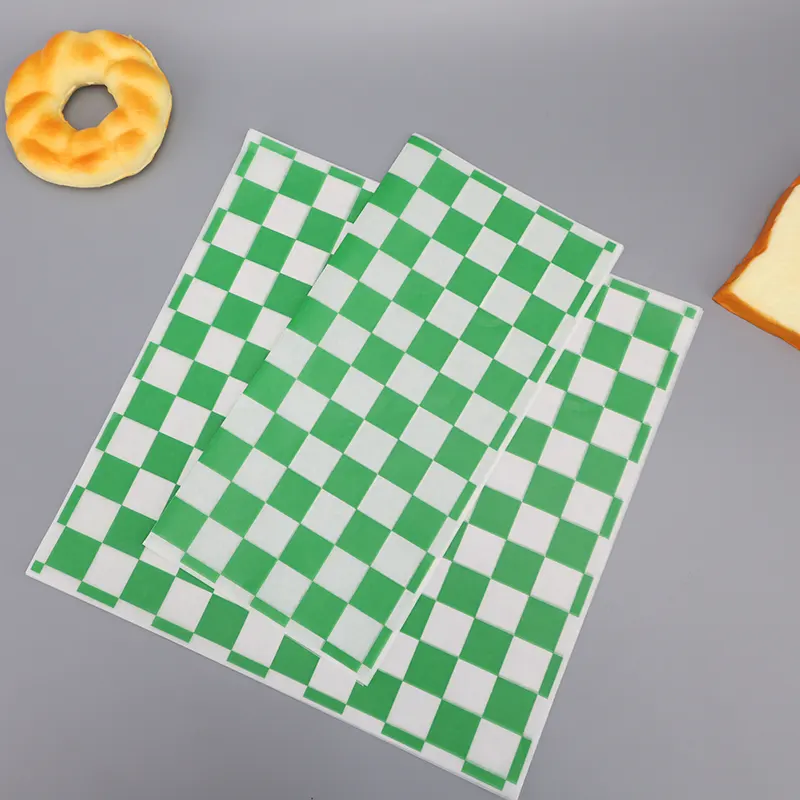
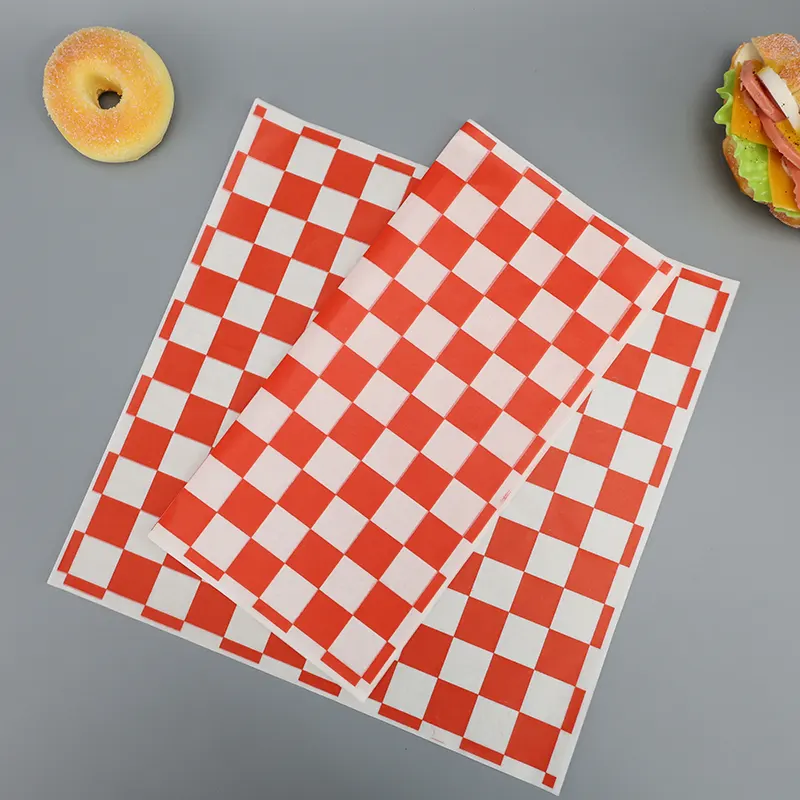
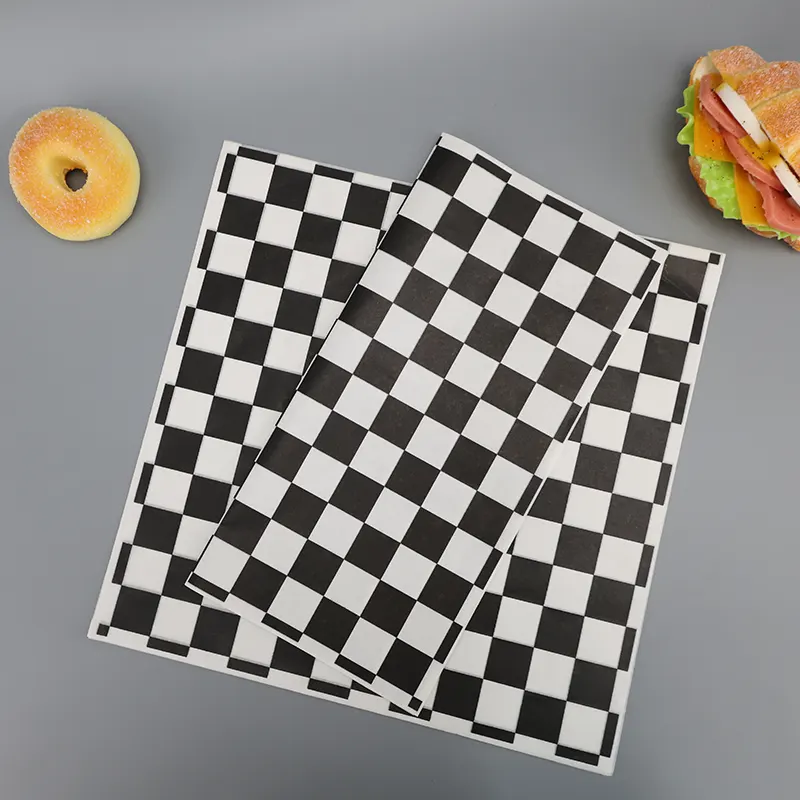
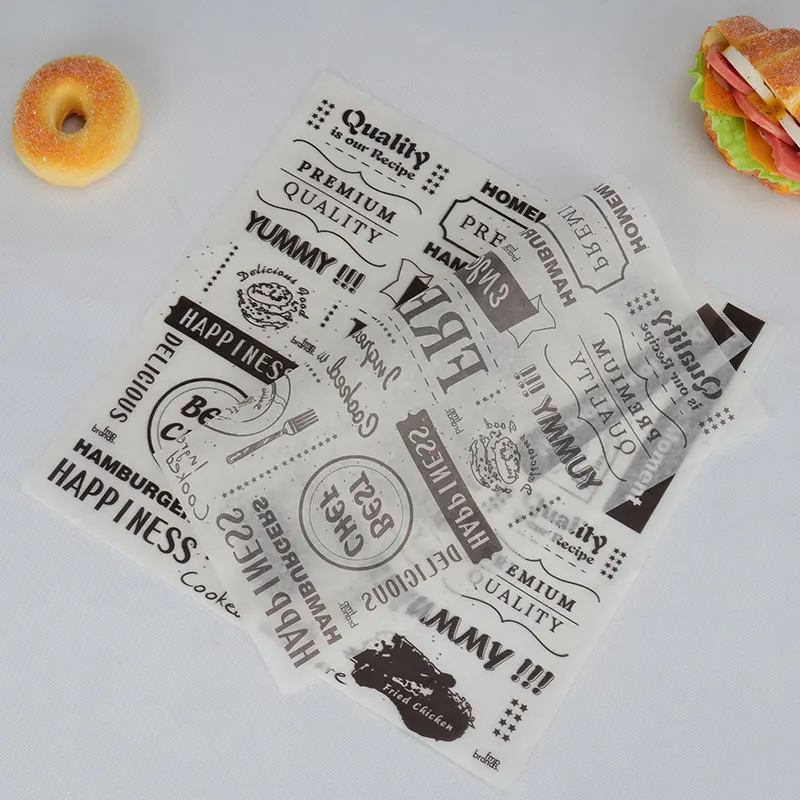
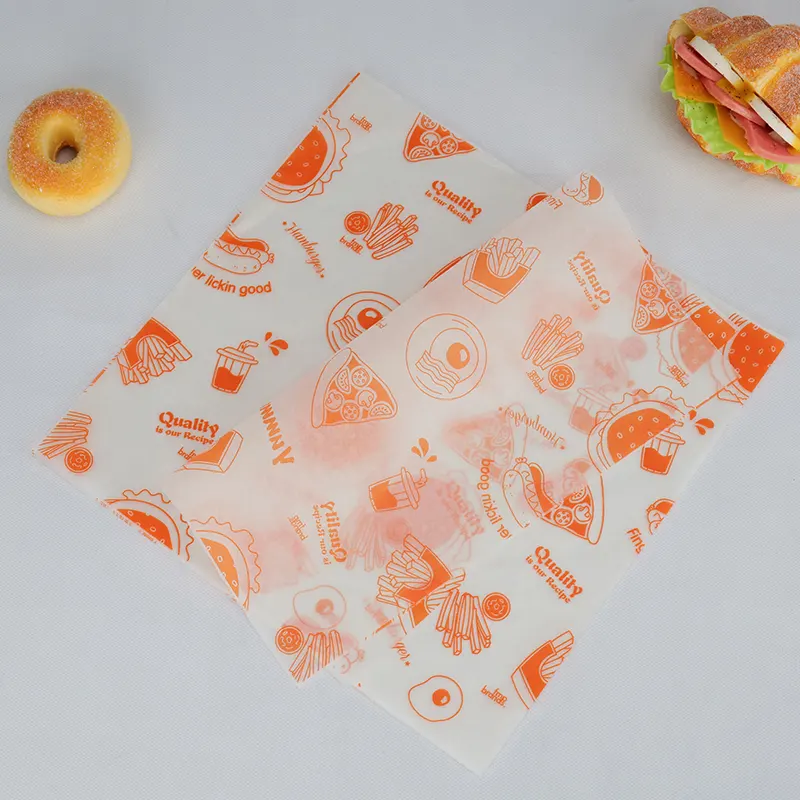
We supply wax wrapping papers for food packaging jobs that need a wax-treated surface. We work with you on the base paper, treatment and dimensions, with sheets or rolls considered for the grade you choose. Plain papers and compatible printed designs give you options for wrapping, lining and separating your products.
If you need food wrapping papers with a wax-treated surface, we help you work out the material details around your packing routine. We consider the base paper and wax treatment together, since the combination affects how the papers fold, handle contact and respond to moisture.
We can review sheets or rolls for your selected grade and production requirements. You may need ready-sized sheets for manual packing, or roll widths that fit your equipment. If you want printed branding, we check the design with the papers and treatment before agreeing the print option.
We agree the final materials, dimensions and packing details for your order. Here are the main options we work from.
| Specification | Options |
|---|---|
| Base papers | Grade selected for intended contact and handling |
| Treatments | Wax types and treatment levels defined in the specification |
| Grammage | Agreed for the selected construction |
| Supply formats | Sheets or rolls by grade and production setup |
| Dimensions | Custom sheet sizes or roll widths |
| Printing | Subject to papers, treatment and process compatibility |
| Performance | Assessed for the exact grade and defined conditions |
| Order quantities and lead times | Established by grades, formats, dimensions and artwork |
We start with what you wrap and how the papers will be used. Moisture, grease, packing temperatures and the time the products stay in contact with the papers can all matter. We consider those details individually, so you are choosing a grade for your actual conditions rather than relying on a general wax-paper label.
We also distinguish wrapping from heating uses. Wax wrapping papers are not the same as baking papers, and we do not assume they suit ovens, microwaves or freezer storage. Where you have a particular requirement, we review the exact materials and conditions before including it in the specification. If grease resistance is your main priority, we can compare these grades with our Grease-proof Wrapping Papers. Our wider Custom Food Wrapping Papers range also includes other paper options.
We can work on base papers, target paper weights, treatment requirements, sheet dimensions and roll widths. For rolls, we also agree cores, outer diameters and winding details where your equipment needs them. We review printed designs against the selected surfaces. Agreed material references and approved samples give us a clear basis for repeat orders.
We supply wax paper for food wrapping, lining and separation, including burgers, sandwiches, deli foods and bakery products where the selected grade suits the food contact conditions. Sheet and roll formats can also be reviewed for food packaging converters and distributors.
We use wax-treated surfaces, with the exact base papers and treatment levels agreed for your order. Those details determine the material properties, so we do not treat all wax-paper grades as interchangeable.
We do not recommend treating wax wrapping papers as baking papers. Heating needs papers specifically suited to your appliances, temperatures and exposure times, which we review separately from ordinary wrapping use.
We can review both formats for the chosen grades and production setup. We agree finished sheet sizes or complete roll details around how you plan to use the materials.
We can review your treatment requirements with the base papers and intended use. We agree the actual materials and performance needs before finalizing a specification.
We can review printing for the selected papers, treatment and process. We look at your colours, coverage and contact surfaces together, since print compatibility can differ between grades.
Not automatically. We assess the papers against the type and duration of exposure you expect. A grade suited to short contact should not be assumed to work as a liquid-tight barrier.
Only when the claim is supported for the actual papers, treatment and inks, and the relevant processing systems. We do not attach those claims simply because the base material is paper.
Share a few details and we’ll know where to start.